This archive covers the 22 September 2025 announcement, not today’s pricing, rewards, eligibility or card availability.

Plasma OneInvite code
Up to 4% base cashback
Plasma One invite code: Z3SL2R. Sign up with this code to get up to 4% base cashback.
Affiliate link. We may earn a commission, at no extra cost to you.
At a glance
- What changed
- Original app proposal.
- Who it affects
- Readers of product history.
- When
- 22 September 2025
Add Exchange.news as a preferred source on Google
Plasma announced an app for using stablecoins day to day
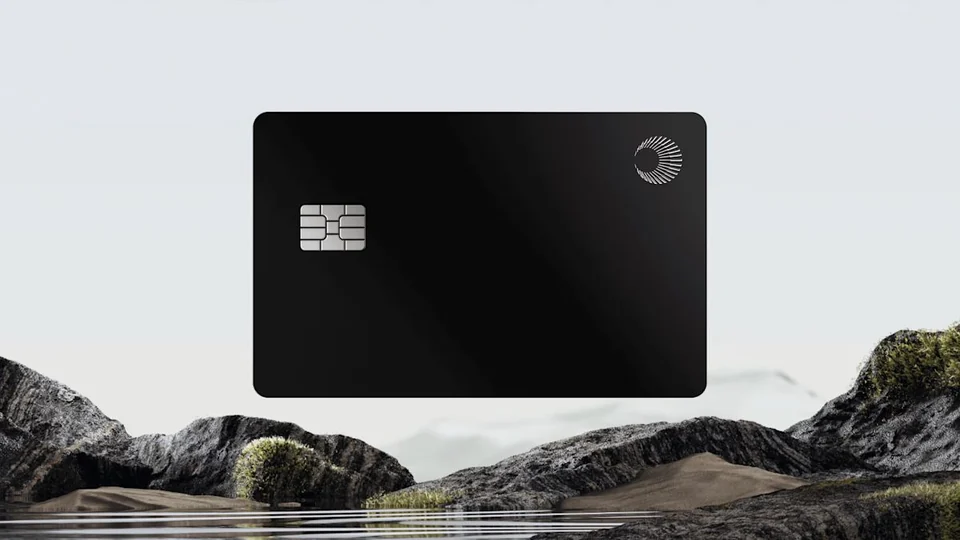
Plasma introduced Plasma One on 22 September 2025 as a stablecoin app and card combining saving, spending, earning and sending. The proposal included physical and virtual cards, transfers between app users and staged access through a waitlist. It addressed the difficulty of turning a digital-dollar balance into something usable for ordinary payments.
The company also wanted its consumer app to test its own payment infrastructure under real demand. The announcement describes that original direction. The following documentation, checked on 26 September 2026, explains the developed product; it should not be read as proof that every later feature existed at launch.
How money reaches the spending balance today
Plasma's current funding guide describes two routes: supported stablecoin deposits and transfers through virtual bank-account details. In the crypto route, users select Add Cash, an asset and a supported network, then use the displayed receiving address. The sender must use that same network. The supported network list differs by asset, and minimum deposit amounts apply.
For the bank route, users choose a currency under Cash Deposit and transfer from their own bank account using the supplied details. The guide says the resulting deposit reaches the wallet's Cash balance as USDT. Processing times and conversion conditions depend on the route. Thus a local-currency transfer and a stablecoin transfer can lead to the same spending environment through different processing steps; neither should be assumed to arrive immediately.
What the wallet controls when the card is used
Plasma's wallet guide describes a non-custodial smart account: funds are recorded on-chain, and a card purchase involves authorizing an on-chain movement to settle the payment. It names Privy as the key-management provider and says the user controls transaction authorization. This is the provider's description of the architecture, not an independent security audit.
The guide also says that legal requirements can restrict access to features or transactions. The location of assets and availability of the surrounding service are therefore separate matters. Understanding that distinction makes the phrase stablecoin account more precise: there is a wallet holding on-chain assets, a system for approving movements, and a card service that connects an approved payment to a merchant.
Earning involves moving funds into another use
The current Earn guide instructs users to open Earn and deposit the amount they want to move. It says the funds enter third-party vault infrastructure powered by Veda and deployed into Aave lending protocols. The yield varies and is not guaranteed; smart-contract and protocol risks can lead to loss. The underlying protocols may also change.
The guide provides a Move to Cash action for returning funds to the spendable balance. It does not make a fixed-rate bank-deposit promise. This distinction is central to understanding the app's combined design: holding spendable funds and committing funds to a yield-generating protocol are different activities, even when they are accessible through neighbouring controls.
A payment should be understandable from funding to settlement
The original product idea becomes concrete when the entire payment can be followed. First establish how value enters the account. Then identify the balance used for the purchase and the authorization required. Finally, compare the completed payment with the merchant's charge. Each stage answers a different question, so a familiar card interface should not hide a conversion or a movement between balances.
For example, someone planning a bill needs to know which amount is actually ready to spend. A combined total can be less useful than a clear distinction between spendable funds and funds being used elsewhere. This is a question about access at the time of payment, not just the value displayed across the app. It is especially relevant when the same product offers both payment and yield functions.
The launch established a direction; the useful details are in the workflow
Plasma One's appeal is the attempt to make stablecoin balances usable without repeatedly moving between unrelated products. The meaningful comparison is whether the app makes funding, authorization, spending and any return from Earn easier to understand together. A user should be able to identify which service is performing each step and where its conditions are explained.
The launch numbers and current documentation serve different purposes. The earlier announcement records the proposed product and staged rollout. The later guides explain actual routes and responsibilities as documented today. Keeping those dates visible allows the history to remain accurate while giving a new reader a practical account of how the product is intended to work.
Plasma OneInvite code
Up to 4% base cashback
Plasma One invite code: Z3SL2R. Sign up with this code to get up to 4% base cashback.
Affiliate link. We may earn a commission, at no extra cost to you.
Conditions
Cashback depends on membership and spending bands; rates decline at thresholds. No code-specific discount or signup bonus is confirmed. Check eligibility and the offer in your app. Country eligibility and regional membership terms apply.
The code and partner link have no expiry. Campaign dates, benefits and eligibility are separate and may change. Check the provider’s current terms before signing up.