At a glance
- What changed
- Sales through CryptoBilis stopped.
- Who it affects
- Trezor buyers.
- When
- 12 October 2026.
Trezor partner offer and conditions ↓
A precaution while the investigation continues
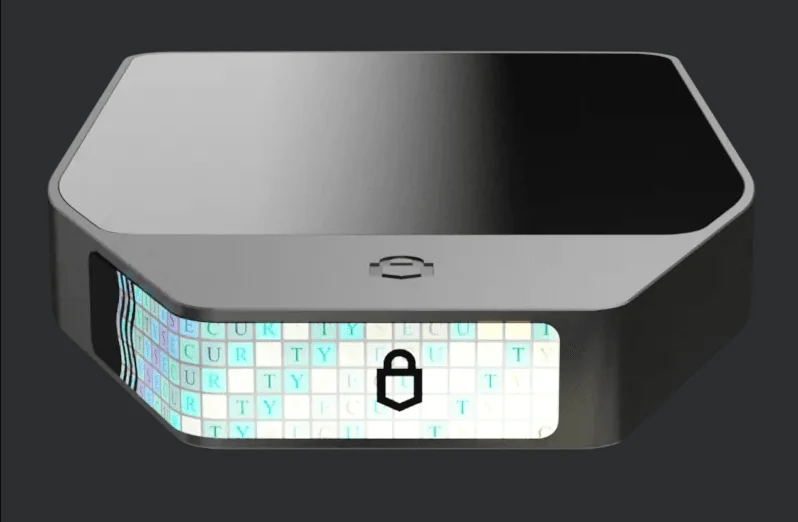
Trezor said on 12 October that it had removed CryptoBilis from its authorised reseller list and stopped sales through that seller as a precaution. This matters to prospective buyers and existing owners. Trezor said it was investigating, had received no reports of tampered Trezors from CryptoBilis and had no indication its devices were affected.
In the reply, Trezor advised against forcing a device open: doing so can damage the hardware, and the Safe 7’s built-in battery adds a physical hazard. It directed worried owners to official support. The reply does not announce a replacement programme, compensation or a deadline for previous buyers. Its reassurance describes the investigation so far, rather than certifying each individual device.
Inspect a new Safe 7 without dismantling it
Trezor’s existing Safe 7 authentication guide describes checks an owner can make without opening the device casing. Authentication means checking that the hardware is genuine. For someone unboxing this model, the guide starts with the outer packaging and the holographic seal over its USB-C connector. If that seal arrived damaged or missing, the instruction is to pause setup and contact support.
The guide also distinguishes the device from the paper cards supplied beside it. Both wallet backup cards should arrive blank. A wallet backup is the set of recovery words created when the owner sets up a new wallet; it should not be a ready-made credential supplied inside the box. Trezor says not to use a device whose cards already contain written or printed words.
These are checks for the condition of a new purchase, not instructions to recreate an unboxing after months of use. Removing a seal during normal setup is different from discovering it was missing when the parcel arrived.
Use the checks for your particular model
The Trezor device-safety guide covers several models, which matters during unpacking. Safe 3, Safe 5 and Model T have a seal at the device connector. Model One instead has two holographic stickers on its box. The guide also documents changes in Safe 3 packaging. A photograph of another model is therefore not a reliable checklist for what your own package should contain.
Packaging is only one part of the process. Trezor says new devices ship without firmware, the software that runs on the hardware, and that installation takes place during setup. If firmware is already installed on a device sold as new, its instruction is not to use it. This warning concerns initial setup; it does not mean an owner’s previously configured device should be empty.
The same guide explains that the device checks software signatures when connected, while Trezor Suite, its companion application, checks that the firmware was signed by SatoshiLabs. A signature is the mechanism used to verify the software’s authorised origin.
What the Safe family’s electronic check does
Trezor’s separate authentication documentation explains an additional check for the Safe family. During manufacture, each device receives a certificate, an electronic record used to establish its origin. Safe 3 and Safe 5 keep that certificate in a Secure Element, a dedicated security chip. Safe 7 uses two such chips alongside its main controller, rather than exactly the same arrangement.
When a Safe 7 connects, Trezor Suite sends a fresh challenge. The device returns signed responses and its certificate; Suite verifies them against Trezor’s public verification keys. In practical terms, the software asks the hardware to demonstrate an identity established during manufacture. This is more informative than judging a device solely by how familiar its exterior looks.
Trezor advises owners of official devices to keep this check enabled. Its documentation says the certificate is checked locally and discarded, rather than transmitted or retained. This existing mechanism explains a supported authenticity check; it is not a new CryptoBilis forensic result or proof that a particular customer’s hardware has been individually examined.
Open-source hardware wallets
No public discount code is attached. Any store promotion has its own terms.
Conditions
The partner link has no expiry. Campaign dates, benefits and eligibility are separate and may change. Check the provider’s current terms before signing up.
We may earn a commission, at no extra cost to you.